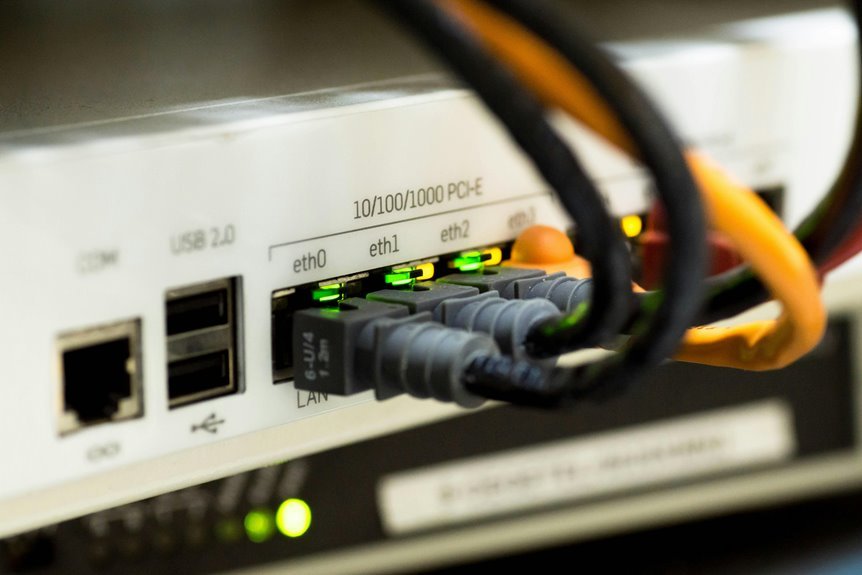
Advanced internet infrastructure is essential for maintaining stability across various sectors. It enhances network reliability, facilitating seamless communication and efficient data transfer. Key technologies and robust protocols underpin this stability, yet the ever-evolving landscape presents unique challenges. Organizations must also consider cybersecurity threats that could disrupt operations. As data demands increase, strategic future-proofing becomes critical. What measures can be implemented to ensure resilience against these growing pressures?
The Importance of Advanced Internet Infrastructure for Stability
Although the digital landscape is constantly evolving, the significance of advanced internet infrastructure remains a cornerstone for ensuring stability across various sectors.
Enhanced network reliability facilitates seamless communication and data transfer, fostering digital resilience against disruptions.
As organizations increasingly depend on robust connectivity, the ability to withstand challenges becomes paramount, underscoring the need for infrastructure that supports both performance and security in a rapidly changing environment.
Key Technologies Driving Internet Stability in 7194571829
Key technologies underpinning internet stability in 7194571829 encompass a range of advanced systems designed to enhance performance, security, and resilience.
Network redundancy ensures uninterrupted connectivity, mitigating the impact of failures through alternative pathways.
Concurrently, robust protocols maintain data integrity, safeguarding information against corruption and loss.
Together, these technologies form a comprehensive framework that fortifies the internet’s operational reliability, promoting a resilient digital environment.
Addressing Cybersecurity Threats With Robust Infrastructure
As cybersecurity threats continue to evolve in complexity and frequency, robust infrastructure emerges as a critical component in defending against potential breaches.
Effective cybersecurity measures must incorporate infrastructure resilience, enabling systems to withstand attacks while maintaining operational integrity.
Future-Proofing the Internet: Preparing for Growing Data Demands
The increasing frequency and complexity of data-driven applications necessitate a strategic approach to future-proofing internet infrastructure.
Addressing data growth requires proactive bandwidth expansion to accommodate emerging technologies and user demands.
Implementing scalable solutions, optimizing network architectures, and investing in advanced technologies will ensure that the internet remains resilient and adaptable.
This foresight will empower users, fostering innovation and maintaining connectivity in an evolving digital landscape.
Conclusion
In conclusion, advanced internet infrastructure is paramount for ensuring stability across sectors, facilitating reliable communication and data transfer. Notably, organizations with robust infrastructure are 60% less likely to experience significant downtime. By integrating key technologies, addressing cybersecurity threats, and adopting future-proofing strategies, entities can enhance their resilience against disruptions. As digital demands continue to rise, prioritizing these infrastructures will be essential for maintaining operational integrity and adapting to emerging technologies.